
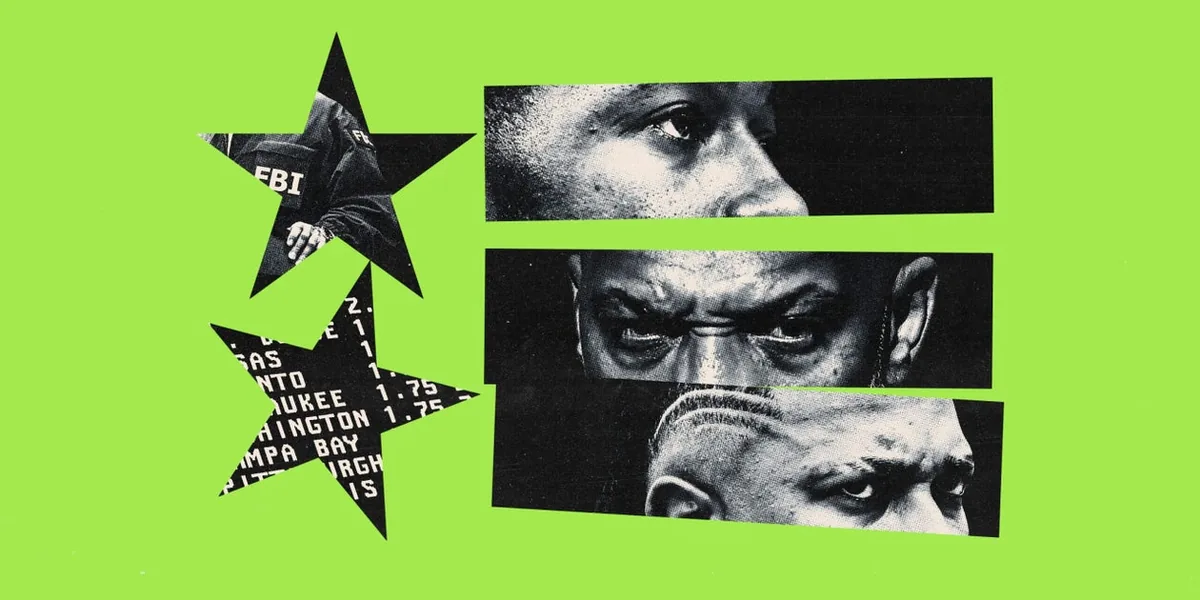
Fixing in Sport: With Gambling Arrests in NBA and MLB, What Can the U.S. Learn From Europe's Scars?
Buried in the middle of this excellent investigation is the line that matters most to us: gambling addiction is a major risk factor for corruption, per the UN Office on Drugs and Crime and others. The fixing scandals get the headlines, but underneath many of them is the same progression we hear described in meetings every week — losses, secrecy, escalating desperation, and finally a decision that destroys a career. Athletes aren’t exempt from compulsive gambling; they’re marinating in it, with sportsbook ads in their stadiums, betting partners on their broadcasts, and prop markets built on their individual stat lines.
The experts’ structural point deserves attention too. Because U.S. sports betting is regulated state by state, an athlete can face different gambling rules depending on where they play — and can be traded into a different rulebook overnight. Europe spent fifteen years building athlete education programs; one Danish integrity expert told The Athletic the U.S. “has to manage in one year what it took us 15 years to do.” We saw the human side of this in the Brendan Sorsby story and his decision to enter treatment — a reminder that behind every integrity case is a person who usually needed help long before the indictment.
If leagues want fewer scandals, the integrity architecture can’t just be surveillance and bans. It has to include real, reachable recovery support — for athletes and for everyone else living inside the same saturated betting environment.