
Gambling addiction issue could affect thousands of college athletes
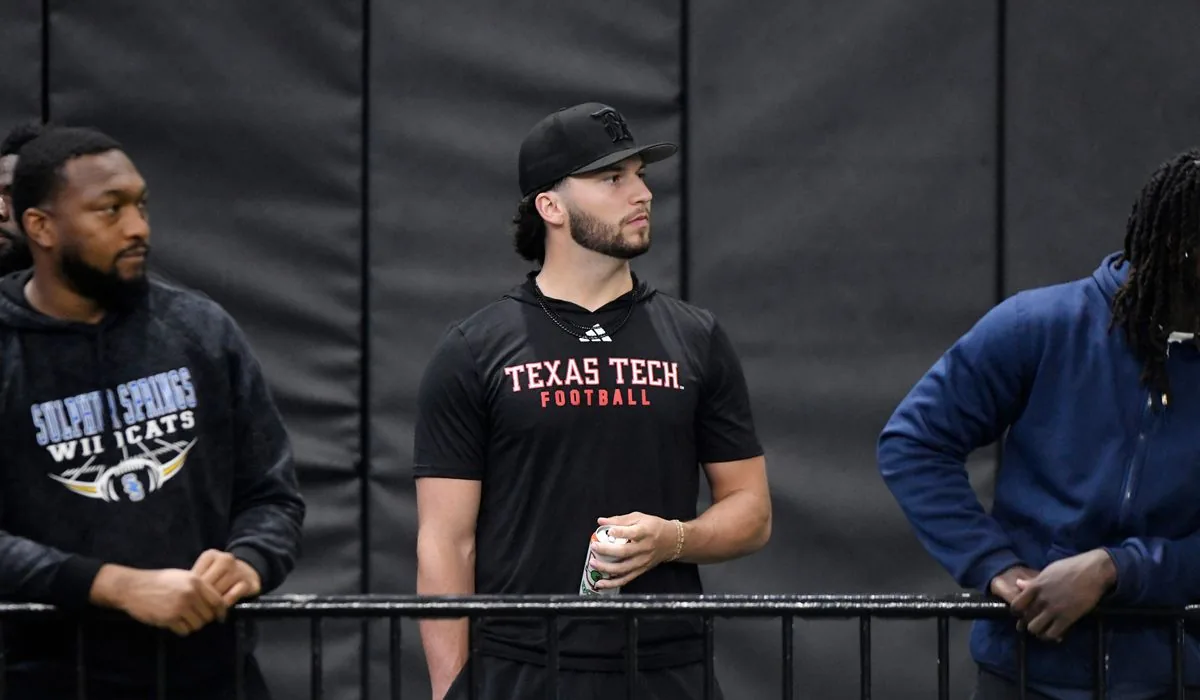
Brendan Sorsby was set to be the highest-profile quarterback in the Big 12 next season — defending champion Texas Tech, an $875,000 NIL deal already in pocket from his previous stop, the kind of trajectory that ends in early-round draft money. Last week he stepped away to seek treatment for compulsive gambling. The AP’s lead got the framing right: this is a single-name story sitting on top of a much larger structural one. Experts told the Gazette that thousands of male college athletes are dealing with the same pattern.
Michelle Malkin, who runs the Gambling Research and Policy Initiative at East Carolina, made the point that probably needed to be made on the record: the demographic profile of a competitive male college athlete is almost a textbook risk profile for compulsive gambling. Early 20s. High dopamine baseline. A ‘refuse to lose, just keep going, it’ll turn around’ mentality drilled in for a decade by every coach they’ve ever had. The exact disposition that wins games is the disposition that loses bankrolls and chases losses. It would be surprising if college sports didn’t have a compulsive-gambling problem.
The NIL economy makes this worse, not better, on the harm-reduction front. Athletes getting paid is a fairness story we’ve been waiting on for thirty years and is good in its own right. But putting six-figure NIL deals in the hands of 19-to-22-year-old men who fit the malkin risk profile and then dropping them into a fully legal sports-betting environment with frictionless mobile apps is the kind of policy combination that produces Sorsbys at scale. The college-sports conversation around NIL has been almost entirely about competitive balance and recruiting integrity. The harm-reduction conversation has barely started. We've written about the youth-exposure side of this in our coverage of gambling simulators and pointed at the teens-getting-hooked and Gen Z vulnerability reporting. Sorsby is what those trend stories look like at the highest-stakes end of the demographic.
The thing worth crediting Sorsby for: he stepped away publicly. For an athlete whose NIL deals are predicated on availability, walking off the field to enter treatment is an expensive choice — both literally and reputationally. It also creates a permission structure for the teammates who are quietly recognizing themselves in the AP story right now. The NCAA has historically treated compulsive gambling among athletes as a competitive-integrity scandal — punish, suspend, expel. Treating it as the medical condition it actually is, with treatment pathways that don’t terminate a career, is the policy direction this story should be pushing toward.