
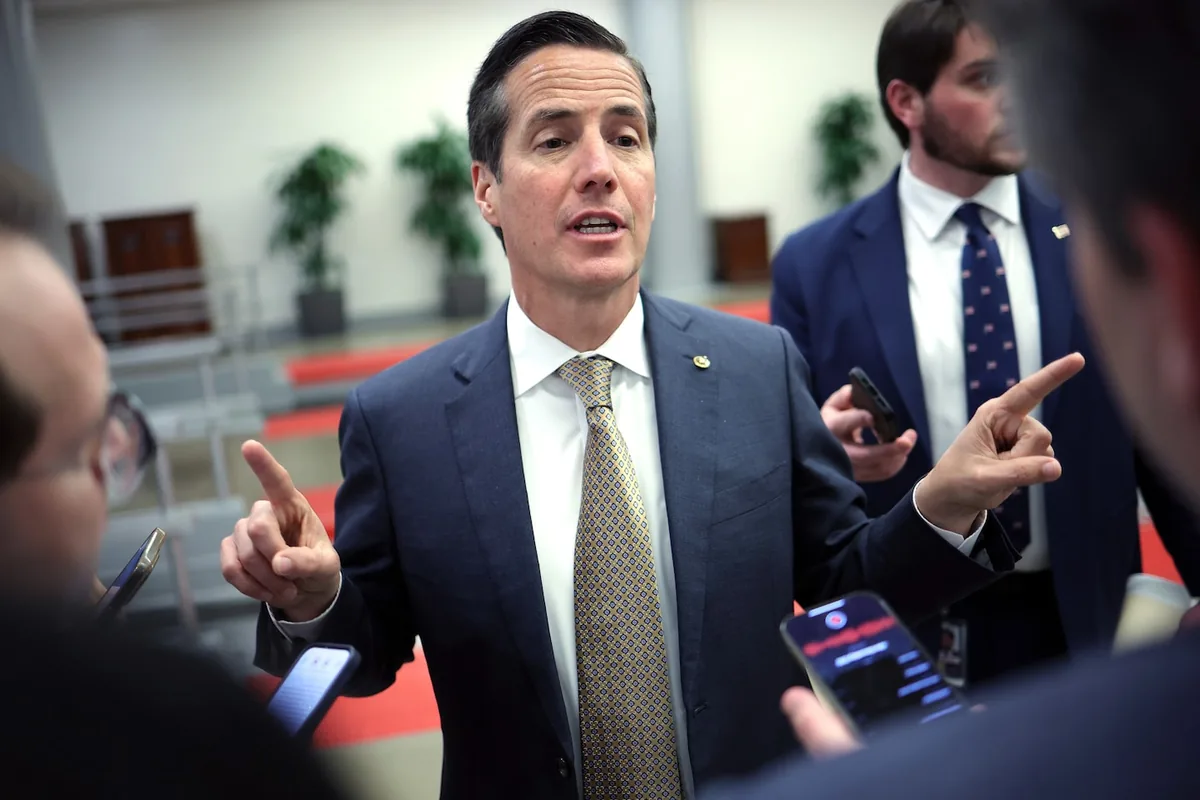
Senators ban themselves from participating in prediction markets
The Senate has voted to bar its own members and staff from participating in prediction markets — Polymarket, Kalshi, and the rest of the platforms that let users place real-money bets on legislative outcomes, election results, and unfolding news events. The rule is narrow on its face: it applies only to senators and their staff, not the broader electorate. But the fact that the Senate felt the need to fence itself off says something about how these platforms have been operating. A market where people with non-public information can wager on outcomes their own decisions produce is a market that, by any normal definition, is rigged.
This is the third prediction-market story we’ve covered in two weeks. Earlier this month a U.S. soldier was charged for allegedly turning $33K into $409K on Polymarket using insider information about a foreign government’s collapse. A few days later the CFTC sued New York over who has the authority to regulate these platforms in the first place. Now Congress is acting on its own behalf, voluntarily, before the regulatory question is even settled. The cumulative picture is of an industry growing faster than the people in charge can write rules about.
For the recovery community, the senator-and-staff ban is symbolic; the underlying product is the part to watch. Prediction markets have done something other forms of gambling never quite managed: they’ve made every news event into a wager. A Supreme Court decision, a hostage release, a hurricane forecast — each now has an active contract you can buy. That changes what “exposure” means for someone in recovery. It used to be enough to delete the sportsbook apps and avoid casinos. Now the news cycle itself is monetized, and the urge to “be right” about an unfolding event has a built-in payoff structure.
One thing to notice in the coverage: the ban applies to participation, not to the markets themselves. The platforms keep operating. The contracts keep listing. The Senate has, in effect, conceded that participating in these markets while holding non-public information is a problem — without conceding that the markets themselves might be one. That’s a meaningful gap, and the people most likely to fall into it are not the senators and staffers who just got fenced out.