
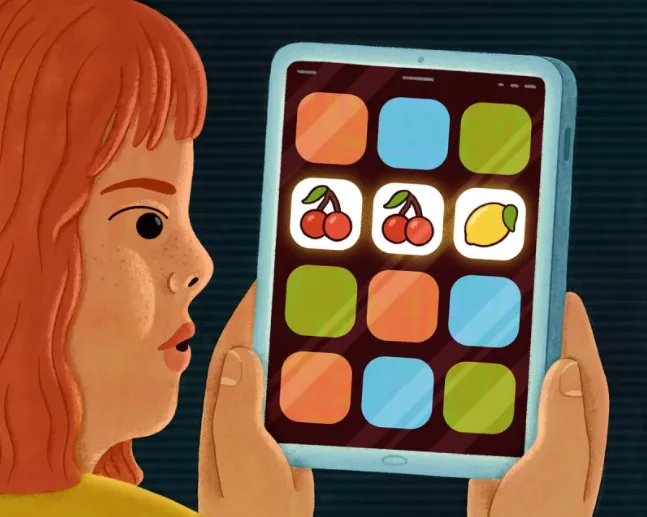
The surprising origin of the features that superglue kids & adults to screens
If you're working hard to stay away from gambling, you already know how calculated the pull can be. What this NPR piece makes clear is that the machinery designed to hook people on slots didn't stay in casinos—it migrated into the apps your kids are using, the social media feeds you scroll through, the games everyone plays. The variable rewards, the near-misses, the notifications timed to keep you coming back: these weren't invented by accident. They were engineered by the gambling industry and then licensed, copied, and refined by the tech world. You're not weak for feeling that pull. You're human, and you're up against decades of psychological architecture.
For anyone supporting someone in recovery, this matters more than it might seem. When your loved one says they're trying to avoid their phone, or they're anxious about a game their friends are playing, or they notice the dopamine hit from a social media "win"—they're not being paranoid. They're recognizing the same compulsion mechanics that trapped them before, just wearing a different costume. The good news is awareness itself is protective. When you know how the trigger works, you can name it. You can choose differently.
Recovery doesn't happen in a vacuum. It happens while living in a world designed to addict. Knowing that design—really understanding it—makes the choice to stay free feel less like willpower and more like clarity.