
What Sports Gambling Is Learning From Big Tobacco
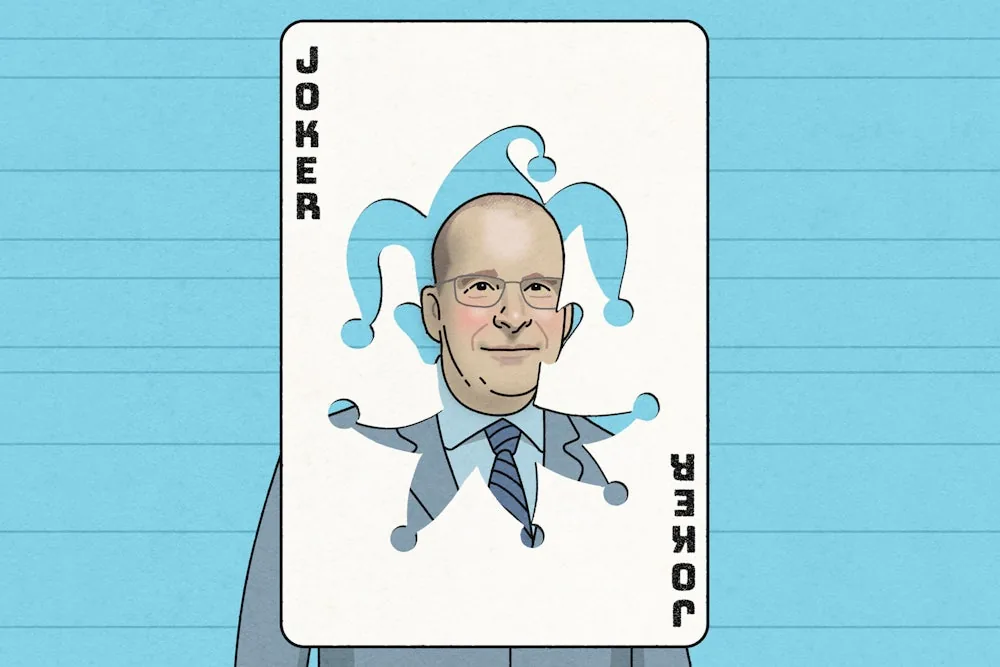
If you have spent any time around recovery, you have heard the phrase ‘responsible gaming.’ It shows up in every ad, on every app, in the fine print after every pitch to bet. What Danny Funt’s reporting makes uncomfortably clear is how much of that reassurance is paid for by the people selling the product. Keith Whyte spent decades as the public face of problem-gambling advocacy — the man who warned Congress in 2019 about a ‘Frankenstein’s monster of advertising, access, and action’ — and now, by Funt’s account, draws a reported $20,000 a month consulting for the industry’s own lobbying alliance. This isn’t a story about one person’s choices. It’s about a model in which the loudest voices on ‘how to gamble safely’ answer to the companies that profit when you don’t. We’ve traced the same money trail before, in Kalshi’s $2 million ‘investment’ in gambling-addiction PR.
The Big Tobacco comparison isn’t rhetorical flourish — it’s a recognizable playbook. Recruit the trusted experts. Fund the research and the nonprofits. Frame the harm as a matter of a few irresponsible individuals rather than a product engineered to be hard to put down. Funt notes that roughly a fifth of the National Council on Problem Gambling’s funding comes from gambling companies, including around $2 million connected to the NFL. Meanwhile the harm itself is no longer in dispute: Americans have legally wagered more than $650 billion since 2018, and we’ve covered the wave of bankruptcies among young bettors and the policy experts now calling the situation ‘out of control.’ When the safety messengers are on the payroll, the warnings get quieter exactly as the harm gets louder.
Here is why we keep pointing people back to the rooms. Gamblers Anonymous takes no outside money — the Seventh Tradition means every group is fully self-supporting, declining contributions from anyone, and certainly from the industry. There is no sponsor to please, no operator funding the literature, no ‘responsible gaming’ partner whose logo has to stay happy. That independence is not a small thing; it is the entire reason the help in a meeting can tell you the truth. You don’t need to untangle who funded which study to walk into a virtual GA meeting tonight and hear, from people who have been exactly where you are, that the way out is real. The industry can buy a lot of experts. It can’t buy the table you’ll sit at when you decide you’re done.