
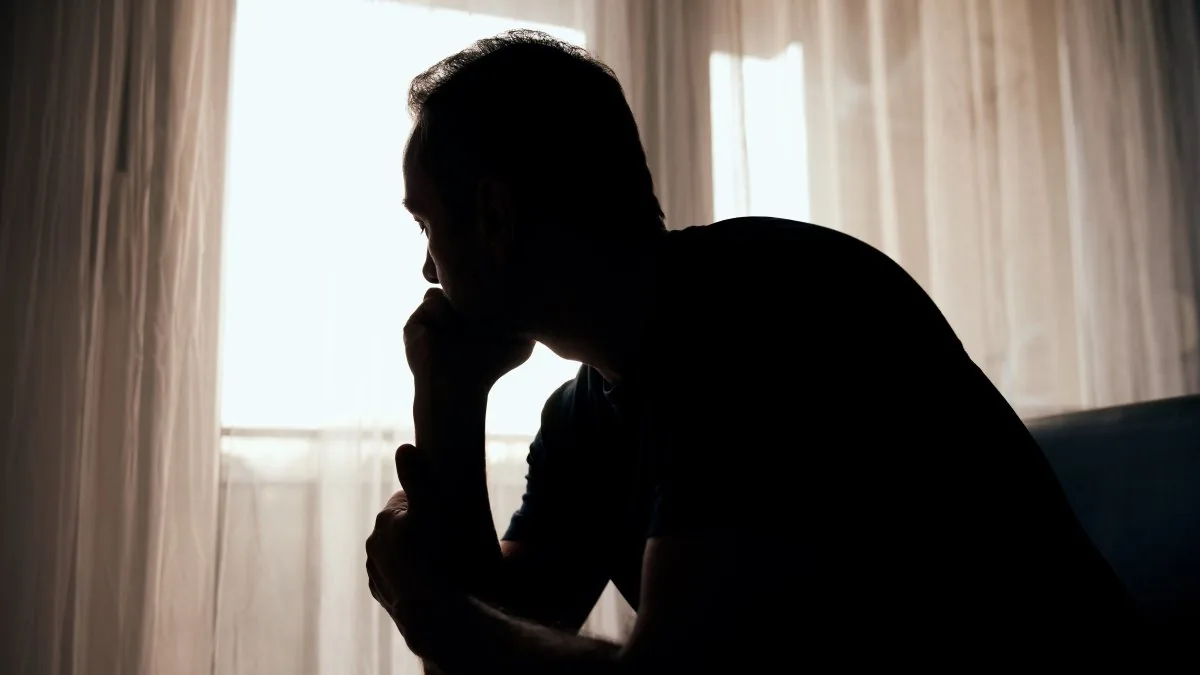
Research in Türkiye Links Depression to Severe Gambling Behavior
Anyone who has sat in a meeting knows this study before reading it. The debt is real and the debt is brutal — but the thing that keeps people in the chair, long after the money is gone, is the weight that comes with it. This research out of Türkiye, published in the Green Crescent’s journal Addicta, puts numbers to that weight: among 60 men in treatment, deeper gambling tracked with deeper depression, and more than two-thirds carried at least one other psychiatric diagnosis. Editor-in-chief Hakan Coşkunol said it plainly — gambling disorder is ‘often discussed only in terms of financial losses,’ when the mental-health dimension is enormous. We’ve made the same point in our coverage of gambling as a growing mental-health concern.
The finding that should change how families and clinicians respond is the cruelest one: the more depressed a participant was, the less motivated they were to seek treatment. That is the trap in a single sentence. Depression doesn’t just ride along with compulsive gambling — it quietly removes the energy a person would need to reach for help, right at the moment help matters most. So ‘they just don’t want to get better’ is almost always the wrong read. What looks like refusal is often the depression doing exactly what depression does. Understanding that changes the tone of every conversation: less ultimatum, more lowering of the barrier to the next small step.
The practical takeaway is the one we return to again and again: this is rarely a single-front problem, and it should rarely get a single-front response. If depression and compulsive gambling are feeding each other, treating only one tends to leave the other to pull the person back down. That usually means professional care for the mood disorder — a doctor or therapist who can assess and, where appropriate, treat the depression — alongside the peer support that keeps the gambling in check day to day. GA isn’t therapy and never claimed to be; it’s the room full of people who get it, the structure, and the honesty between appointments. If any of this sounds like someone you love, our overview of how recovery actually works is a gentle place to start, and a free, anonymous online meeting is always open.